
Student Nurse Lounge & Blog
Real Stories. Shared Wisdom. Zero Judgment.
Whether you’re celebrating a placement win, processing a tough shift, or asking questions you were too afraid to ask on the ward—this is your space.
🛡️ Safe Space & NMC Compliance Notice: Please ensure all posts and comments remain strictly anonymised. Never include patient names, ward numbers, or identifiable hospital details!
✨ All Posts
🏥 Placement Survival
💊 Pharmacology & Calcs
🩺 Clinical Skills & OSCEs
📋 Clinical Practice
📚 Academic & Essays
💚 Wellbeing & Mindset
- Essay Writing for Student Nurses — Simple Breakdown Method
 I used to stare at a blank page wondering how I’d ever fill 3,000 words — or cut down 5,000 into 2,500. Then I realised the trick: stop writing essays and start allocating words. Here’s exactly how it works.
 - Your First Nursing Placement: Honest Survival Guide
 University prepares you for the theory — it doesn’t prepare you for the reality. Here’s the unfiltered truth about your first placement: what to expect, how to survive, and why feeling lost is part of becoming a good nurse.
 - Why Pharmacology Actually Matters
 Pharmacology can feel like learning a foreign language. Discover why mastering your drugs isn’t just about passing university exams—it’s the ultimate safety net for your patients.
 - How to Critically Appraise a Research Paper for Your EBP Assignment: The Ultimate CASP Framework Guide
 Struggling with Evidence-Based Practice essays? Master the CASP framework with this step-by-step guide to critically appraising research papers for your nursing assignments.
 - How to Deliver Compassionate End-of-Life Care as a Student Nurse
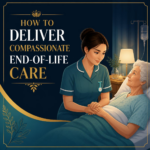 End-of-life care is one of the most profound responsibilities in nursing. Learn how to support dying patients and grieving families with warmth, dignity, and clinical competence.
 - How to Master the A–E Assessment Framework on Placement
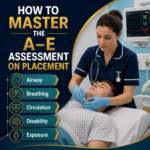 When a patient deteriorates, a systematic A–E assessment saves lives. Learn how to evaluate Airway, Breathing, Circulation, Disability, and Exposure on shift with our clean clinical guide.
 - The Ultimate Ward Placement Survival Guide: How to Master Clinical Skills, Pass Assessments, and Protect Your Mental Health
 Stepping onto a ward placement can feel daunting. Learn how to excel in practice learning, master A-E assessments, nail drug calculations, and protect your mental health with our ultimate survival guide.
 - The Unspoken Frustrations of Nursing: What They Don’t Teach You in University (And How to Survive Them)
 University teaches you nursing theory, but what about when your decisions get overruled or doctors miss a subtle deterioration? Learn how to handle moral distress, diagnostic overshadowing, and clinical escalation with confidence.
 - What to Do When Your Patient Dies on Shift: A Student Nurse’s Guide to End-of-Life Care
 Facing your first patient death on placement can feel overwhelming. Learn how to manage verification protocols, offer compassionate family care, and perform Last Offices with dignity using our quick-reference guide.