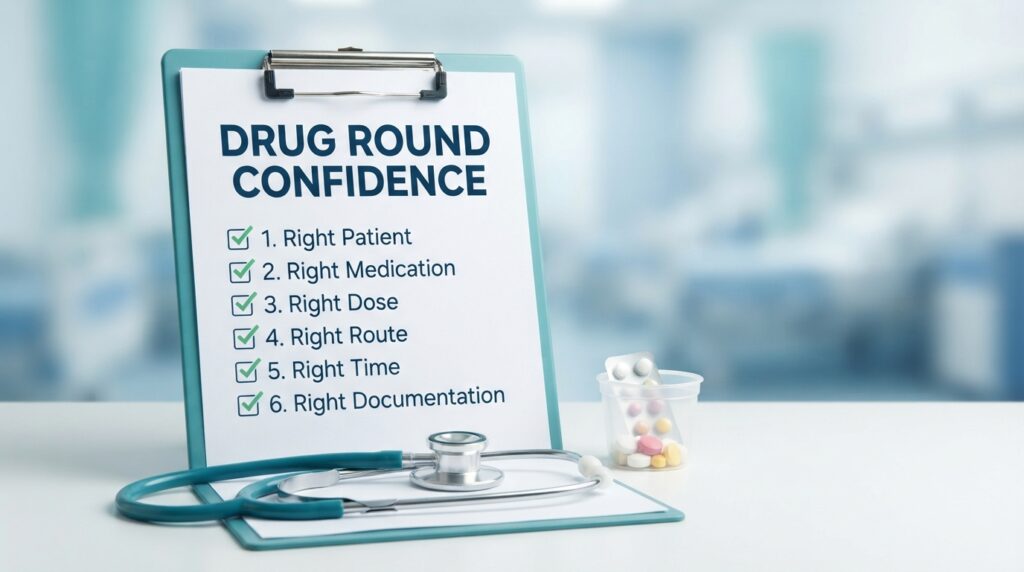
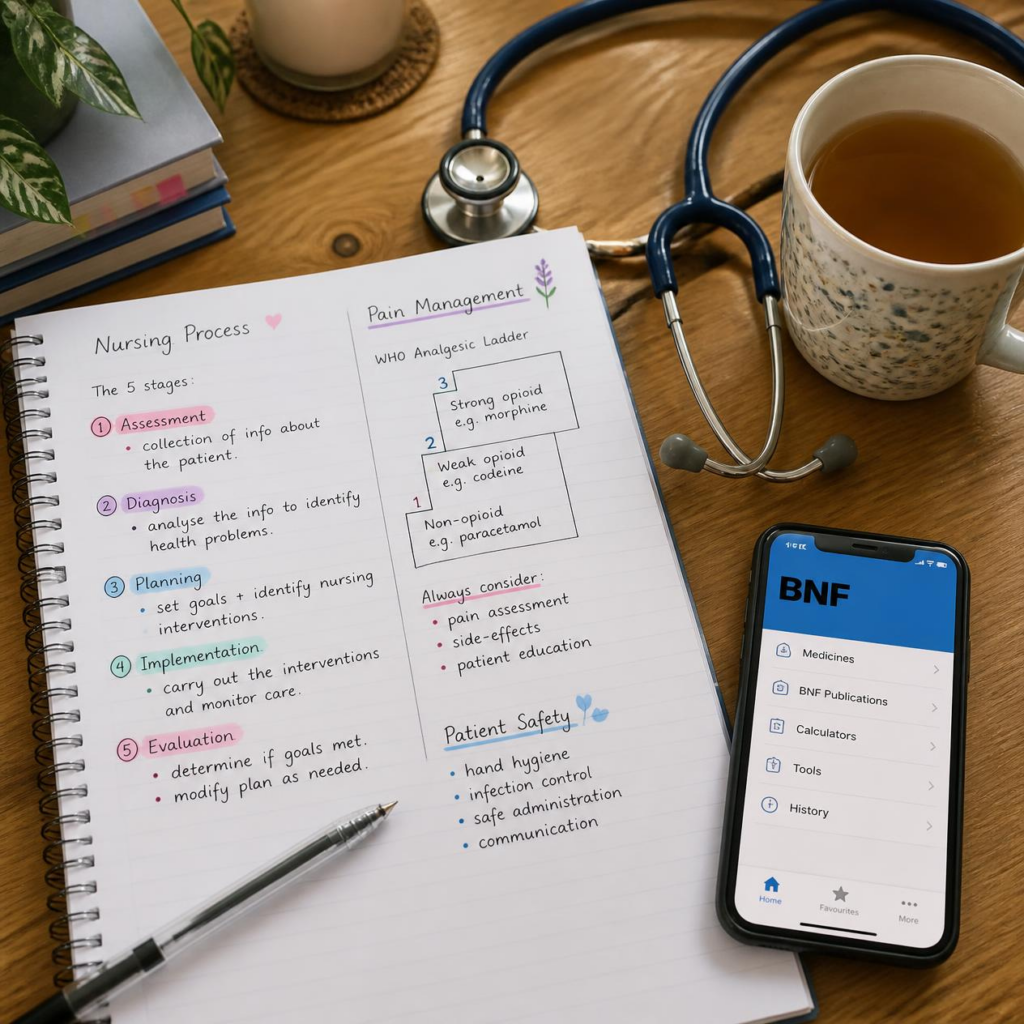
Remember standing at the drug trolley on your very first acute medical placement? You’re staring at an ePMA screen or a paper drug chart loaded with prescriptions for IV Tazocin, Meropenem, or oral Amoxicillin. When you are trying to remember drug calculations, check patient wristbands, and keep up with your mentor, antibiotics can easily feel like routine background noise.
However, behind every single dose prescribed on the ward lies one of the greatest clinical challenges of our generation: Antimicrobial Resistance (AMR).
As a student nurse, you aren’t just there to administer medications under direct supervision—you are on the front lines of patient safety. Understanding how antibiotics are used, questioned, and monitored on the ward will instantly elevate your clinical practice and make you a far sharper practitioner.
What is Antibiotic Stewardship?
Stripping away the academic jargon, antibiotic stewardship refers to the coordinated organizational and clinical actions taken to optimize the use of antimicrobials. The core objective is straightforward: maximize clinical cure rates while minimizing both treatment toxicity and the selection pressure driving antibiotic resistance.
In everyday ward practice, stewardship boils down to ensuring the right patient gets the right antibiotic, at the right dose, via the right route, for the right duration.
When antibiotics are used inappropriately—such as giving broad-spectrum drugs for simple infections or continuing IV lines longer than necessary—bacteria adapt. They mutate, share resistance genes, and render our strongest medications useless. Without effective stewardship, routine surgeries, chemotherapy, and minor infections could become life-threatening risks.
The 4 Key Pillars for Student Nurses
During medication rounds, handover reviews, or multidisciplinary team (MDT) ward rounds, keep these essential pillars at the forefront of your mind:
1. Question the Indication
Always ask yourself (and your mentor): Why has this antibiotic been prescribed?
Is the patient being treated empirically (a broad-spectrum “best guess” while waiting for lab results), or is this targeted therapy based on a confirmed bacterial culture? If a patient is admitted with a viral chest infection or non-infectious inflammation, antibiotics won’t help them—and could cause harm by wiping out their healthy gut flora, opening the door for opportunistic infections like Clostridioides difficile (C. diff).
2. Prompt Microbiological Sampling (“Cultures Before Coverage”)
Whenever clinically feasible, ensure appropriate diagnostic cultures—such as blood cultures, mid-stream urine (MSU), sputum samples, or wound swabs—are collected before the first dose of antibiotics is administered.
Once an antibiotic enters the patient’s bloodstream, it immediately begins suppressing bacterial growth in samples, making it significantly harder for the microbiology lab to isolate the exact organism. Getting clean samples beforehand allows the medical team to narrow down treatment from a broad-spectrum antibiotic to a specific, targeted option.
3. Champion the IV-to-Oral Switch (IVOS)
Intravenous antibiotics are vital for severe sepsis or acute infections, but they come with real risks—including line infections (phlebitis, catheter-related bloodstream infections), increased nursing workload, and restricted patient mobility.
Patients should be transitioned to oral formulations as soon as they meet clinical stability criteria. When assessing your patient, look for these key green lights for IVOS:
- Clinical Improvement: Vital signs stabilizing and NEWS2 score dropping.
- Temperature Settling: Apyrexial for at least 24 hours.
- Gastrointestinal Function: Tolerating oral fluids, food, and oral medications.
- Decreasing Inflammatory Markers: Inflammatory markers like CRP and White Cell Count (WCC) trending downwards.
If your patient meets these criteria, flag it with your mentor or during ward rounds: “Patient in Bay 2 is eating, drinking, and apyrexial—should we ask the team to review their IV Tazocin for an oral switch?”
4. Adhere to Prescribed Durations & Stop Dates
Antibiotic prescriptions should never be open-ended. Prolonged courses increase the risk of drug toxicity, organ strain (such as acute kidney injury with aminoglycosides like Gentamicin), and resistance.
Always check the prescription chart for a clear stop date or review date (typically 48–72 hours after initiation). If a prescription has no clear duration listed, make a note to clarify it with the prescribing doctor or ward pharmacist.
A Day on the Ward: Putting Stewardship into Action
How does this look during a standard 12.5-hour shift?
Imagine you are caring for a patient admitted with a suspected urinary tract infection (UTI). They were started on IV Co-amoxiclav on admission.
- 08:00 Drug Round: You check the drug chart with your mentor. You notice the urine culture results came back from the lab overnight showing E. coli sensitive to Nitrofurantoin.
- 10:00 Ward Round: You highlight the culture result to the registrar. The doctor updates the prescription, stepping down the patient from broad-spectrum IV Co-amoxiclav to targeted oral Nitrofurantoin.
- 11:00 Nursing Care: You safely remove the patient’s peripheral IV cannula, reducing their risk of line sepsis, improving their comfort, and getting them ready for discharge planning.
By paying attention to the details, you actively protected that patient from line complications and helped preserve broad-spectrum antibiotics for someone in critical need.
Student Nurse Placement Pro-Tips
- Download Local Hospital Apps: Most NHS Trusts host their clinical antibiotic guidelines on mobile apps like MicroGuide. Download it on your phone during orientation. Checking local first-line treatments for conditions like community-acquired pneumonia or cellulitis will rapidly build your clinical knowledge.
- Befriend the Ward Pharmacist: Clinical pharmacists are an incredible source of practical learning. Ask them to walk you through drug monitoring protocols—like therapeutic drug monitoring (TDM) for Vancomycin or Gentamicin troughs—and how they review drug charts for IVOS.
- Document Accurately: Always record exact administration times. Timely administration is critical; delayed doses mean drug levels drop below the minimum inhibitory concentration (MIC), giving surviving bacteria a chance to develop resistance.
Need a refresher on drug classes, mechanism of action, and dosage math? Head over to our Pharmacology archive to sharpen your clinical skills before your next shift!alcs] 💊 archive.